A hit-and-run crash can leave you with serious injuries, vehicle damage, and no clear idea who will pay. Many people think the case ends once the driver disappears, but that is not always true. At Cameron Law, our experienced Las Vegas hit and run accident attorneys help victims look at every available recovery path, from uninsured motorist coverage to other sources of compensation when the fleeing driver is never found.
What Helps Victims Recover Compensation in a Hit-and-Run Accident
A hit-and-run crash leaves most people with two questions:
Can the driver be found?
Can I still recover compensation if the driver is never identified?
Many victims assume the case ends when the driver flees. That is not always true. A claim can still move forward through uninsured motorist coverage, collision coverage, MedPay, or, in a smaller number of cases, a claim against another party involved in the crash.
The real issue is not one broad “solve rate”. The real issue is what proof exists, what insurance coverage applies, and how quickly evidence is secured.
Here is what tends to matter most in hit-and-run cases:
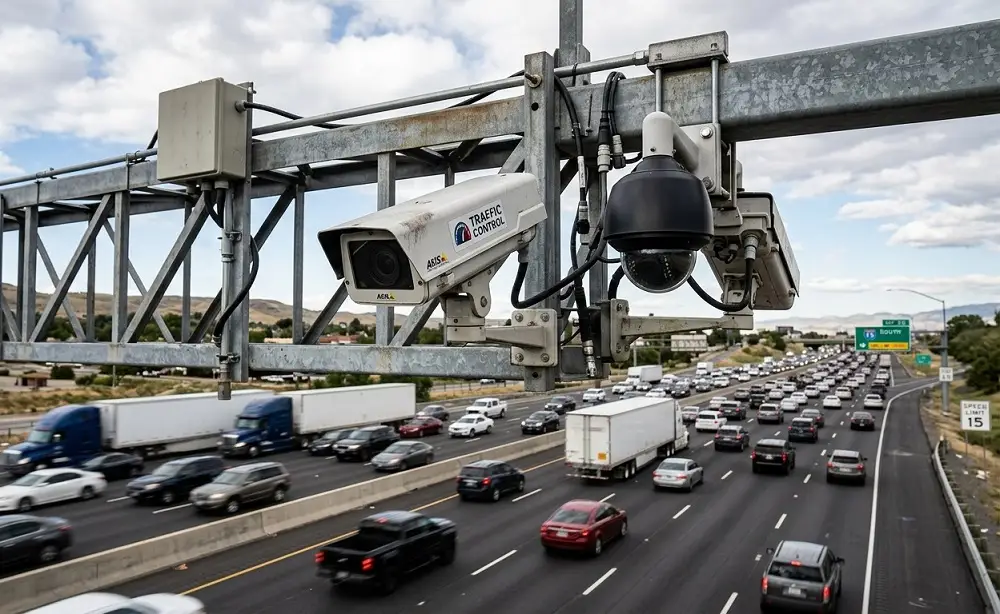
Video footage often creates the best lead.
Witnesses can fill in missing details, such as plate numbers or the direction of travel.
Vehicle debris can help narrow down the type of car that fled.
Uninsured motorist coverage is often the primary route to compensation for injuries.
Fast action matters because footage can be erased and memories fade.
What Gives a Hit-and-Run Case a Better Chance of Success
Not all evidence carries the same weight. Some proof moves a case forward fast. Some proof only helps once investigators already have a lead.
Surveillance Footage
This is often the strongest tool in a hit-and-run case.
Useful footage may come from:
Traffic cameras
Casino or hotel cameras
Parking garage systems
Gas stations
Apartment complexes
Nearby dashcams
Business entrances and loading areas
Even when a camera does not catch a full license plate, it may still show:
The make and model
Vehicle color
Body damage
A missing mirror
Travel direction
The exact time of the crash
That can be enough to support a hit-and-run claim and narrow the search.
Witness Statements
A witness can turn a weak case into a strong one.
The best witness details usually include:
A full or partial license plate number
Vehicle color and type
What lane did the car use
Where the driver fled
What happened right before impact
A witness also helps when the insurance company questions how the crash happened.
Vehicle Parts and Paint Transfer
Broken pieces left at the accident scene can help identify the hit-and-run car.
That may include:
Mirror caps
Lamp fragments
Grille pieces
Trim parts
Paint transfer
Bumper clips
This type of proof usually works best when paired with footage, police work, or a vehicle later found to match the one involved in the crash.
#cta_start
Left at the Accident Scene with Unpaid Bills and Questions?
A hit-and-run can leave more than vehicle damage behind. Cameron Law helps Las Vegas victims pursue compensation through every available path.
Nevada’s hit-and-run rules are in the Nevada statute NRS Chapter 484E. They cover crashes involving injury, death, or property damage and require the driver to stop, remain at the scene, give identifying information, and render aid. In a recovery case, those statutes matter because once the driver flees, the claim often shifts from a standard liability case to a hit-and-run/uninsured motorist case.
The main insurance rule is NRS 690B.020. Nevada also explains in its consumer auto guide that uninsured/underinsured motorist coverage can pay for injuries caused by a hit-and-run driver, but it does not cover damage to your own vehicle. That part usually falls under collision coverage.
Recent Nevada data shows that traffic fatalities, including those involving hit-and-run accidents, remain a serious issue. The state recorded 420 traffic fatalities in 2024, and the Office of Traffic Safety’s report through November 30, 2025, showed 347 fatalities, a 10.34% decrease from the same point in 2024. That same report listed 97 pedestrian fatalities and 74 motorcyclist fatalities in 2025 to date.
How Recovery Works If the Driver Is Never Found
A hit-and-run case does not end just because the at-fault driver disappears. Many claims are recovered through the injured person’s own insurance coverage, and some involve another liable party tied to the crash scene.
Recovery Path
What It May Cover
When It Usually Applies
Uninsured Motorist Coverage
Medical bills, lost wages, pain, and suffering
The hit-and-run driver cannot be identified, and bodily injury is involved
Collision Coverage
Vehicle repair or total-loss value
The victim’s car was damaged in the crash
MedPay
Early treatment costs, such as ER care or follow-up visits
The policy includes medical payments coverage
Property or Premises Liability
Damages tied to unsafe property conditions
A dangerous lot, garage, exit, or similar condition played a role
Uninsured motorist coverage is often the primary source of bodily injury claims. It may cover medical expenses, lost income, and other damages resulting from the hit-and-run accident. The insurance company will still expect proof, including the police report, photos, witness statements, and medical records.
Collision coverage can help with car repairs or the total loss value, even if the injury claim takes longer to resolve. MedPay may help with immediate treatment costs while the larger claim develops. A smaller group of cases may involve property-related liability.
The First Steps After a Hit-and-Run Can Affect the Whole Claim
The first hours after a hit-and-run can affect both the evidence and the insurance claim. Medical records, the police report, witness details, and scene documentation often become the foundation of the case.
1. Call 911 and Make a Report
Report the crash as soon as possible and request medical help if anyone is hurt. In many hit-and-run claims, the police report is one of the primary records used to determine how the accident occurred.
2. Get Medical Care as Soon as Possible
Some injuries are not obvious at the scene. Concussions, neck injuries, back injuries, internal injuries, and soft tissue damage may appear hours later. Prompt treatment also creates a clear record linking the injuries to the crash.
3. Photograph the Scene and Vehicle Damage
Take photos and video of the vehicle damage, debris, skid marks, road layout, traffic signs, visible injuries, and nearby businesses or intersections that may have cameras. In hit-and-run cases, evidence at the scene can disappear quickly.
4. Get Witness Names and Contact Information
If anyone saw the crash, get their name and phone number before they leave. A witness may remember details about the fleeing vehicle, direction of travel, or part of the license plate that the victim did not catch.
5. Write Down Every Vehicle Detail
Record anything you remember about the other vehicle, including color, make, model, dents, stickers, missing parts, partial plate number, and direction of travel. Even small details can become useful later.
6. Report the Claim Carefully
A hit-and-run claim often goes through your own uninsured motorist or collision coverage. That does not mean the insurance company will accept the claim without question. Early statements about fault, injuries, or missing details can affect how the claim is evaluated.
How Long a Hit-and-Run Claim Can Take in Nevada
Nevada does not set a fixed deadline for settling a hit-and-run claim. The deadlines that matter most are these:
10 days to file a DMV crash report if police did not investigate the crash at the scene and the crash caused injury, death, or apparent damage of $750 or more under NRS 484E.070.
30 days for the insurer to approve or deny a casualty claim after receiving it, with a 20-day deadline to request more information if needed, under NRS 690B.012.
2 years to file most personal injury claims and 3 years to file most property-damage claims under NRS 11.190.
Most delays come from three things: missing proof, disputed uninsured motorist coverage, and ongoing medical treatment that makes the final value of the claim unclear. A vehicle-damage claim may resolve much faster than a case involving surgery, long-term care, or lost wages.
A Hit-and-Run Case Is Not Over Just Because the Driver Fled
A hit-and-run crash does not always end with an unanswered police report and unpaid bills.
Some cases lead to the driver. Others do not. Many still move forward because the victim has the right proof and the right insurance path. Video footage, witness statements, vehicle debris, police reports, and uninsured motorist coverage often make the biggest difference.
Cameron Law can review the facts, available evidence, and any insurance coverage that may still apply following a hit-and-run accident. If you were hurt in Las Vegas, Henderson, North Las Vegas, or Reno, contact our team for a free consultation.
We want to change the way people view lawyers, one relationship at a time. ®
Average injury settlement ranges in Nevada explained by injury type, treatment level, and evidence, with guidance on how Cameron Law evaluates case value.